

Understanding Jaw Pain, Clicking and Everyday Jaw Strain
Jaw pain can be surprisingly difficult to pin down. For some people, it begins as a clicking sound when chewing. For others, it feels like pressure near the ear, facial aching, morning jaw stiffness or headaches that build around the temples. These symptoms can seem unrelated at first, which is one reason TMJ disorder is not always recognised straight away.
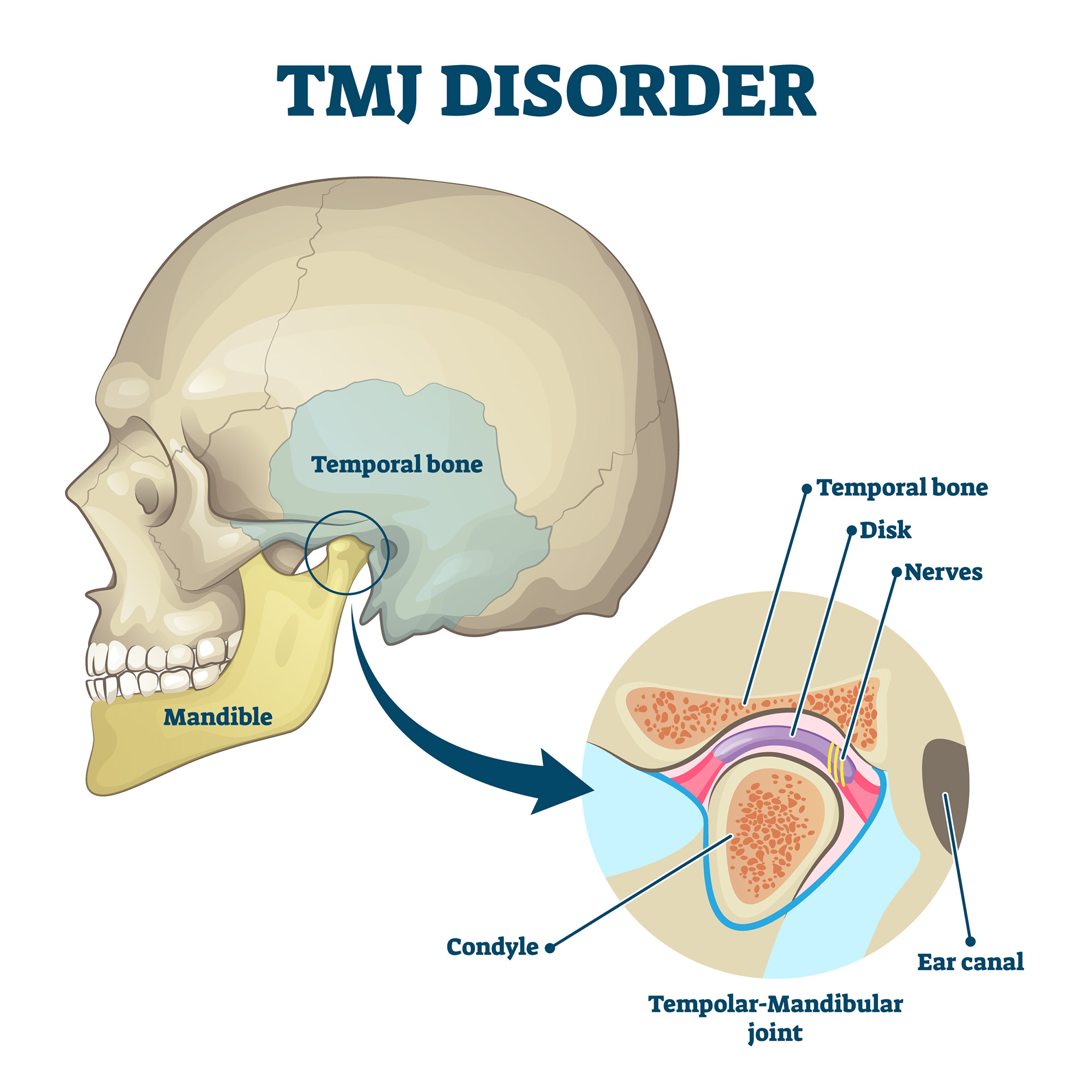
TMJ disorder refers to problems affecting the temporomandibular joint, the small but highly active joint that connects the lower jaw to the skull. At Head2Neck, we often see how symptoms can affect more than the jaw itself, especially when muscle tension, clenching, grinding or joint irritation begin to interfere with everyday activities such as eating, speaking and opening the mouth comfortably.
Why the Jaw Joint Can Cause More Than Jaw Pain
The temporomandibular joint works every time you chew, yawn, speak, swallow or move your jaw. It is supported by muscles, ligaments and cartilage, all of which need to work together smoothly. When this balance is disrupted, jaw joint pain may appear alongside symptoms in the face, head, neck or ears.
This is why temporomandibular joint disorder can sometimes feel like an ear problem, a headache problem or general facial tension rather than a jaw issue. Some people notice ear pain and jaw pain together, while others experience headaches, facial pain or tightness around the temples.
Why TMJ Disorder Can Be Hard to Recognise
TMJ disorder can be confusing because it does not always present as obvious jaw pain. A person may first visit a dentist because their teeth feel sensitive, or they may wonder whether they have an ear problem because of pressure, fullness or discomfort around the ear.
The pattern of symptoms often matters as much as the symptom itself. Ear discomfort that appears alongside jaw stiffness, headaches that worsen after clenching, or facial aching that builds after chewing may all point towards the jaw joint or surrounding muscles. This does not mean every headache or ear symptom is caused by TMJ disorder, but it does explain why careful assessment is important when symptoms persist.
Everyday Signs That May Point to TMJ Disorder
TMJ symptoms can vary from mild irritation to pain that affects eating, speaking and daily comfort. Some people experience symptoms on one side only, while others notice discomfort across both sides of the jaw or face. The symptoms may also fluctuate, becoming more noticeable during stressful periods or after prolonged chewing.
Signs that may suggest TMJ disorder include:
- Jaw clicking, popping or grinding when eating, speaking or yawning
- Jaw pain when chewing, especially with hard or chewy foods
- Stiffness or tightness in the jaw, particularly in the morning
- Difficulty opening the mouth fully or comfortably
- Jaw locking, catching or feeling as though the jaw is stuck
- Facial pain, temple pain or aching around the cheeks
- Headaches and jaw pain occurring together
- Ear pain, ringing, fullness or pressure without a clear ear infection
- Tiredness or aching in the jaw after talking or eating
- Tenderness around the jaw joint, in front of the ear
What Can Make TMJ Symptoms Worse?
TMJ disorder can be influenced by several factors, and in many cases, there is not one single cause. Symptoms may become more noticeable when the jaw joint is irritated, the surrounding muscles are overloaded, or everyday habits place repeated strain on the jaw.
Factors that may aggravate TMJ symptoms include:
- Jaw clenching during the day
- Teeth grinding during sleep
- Stress-related muscle tension
- Chewing gum or very chewy foods
- Biting nails or chewing pens
- Resting the chin on the hand
- Holding the jaw tightly while concentrating
- Long periods of desk work or poor posture
- Previous jaw injury
- Arthritis or joint inflammation
- Bite changes or dental issues
- Connective tissue problems
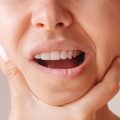
Jaw pain, clicking and stiffness may sometimes be linked to TMJ disorder, especially when symptoms affect eating, speaking or daily comfort.
Can Stress Make TMJ Disorder Worse?
Stress is one of the more common aggravating factors we discuss with patients, particularly when jaw clenching or teeth grinding is present. Some people clench during the day without realising it, especially while concentrating, driving, working at a computer or feeling under pressure.
This does not mean stress is the only explanation. TMJ disorder can involve joint, muscle, dental and mechanical factors, and the right approach depends on what is actually driving the symptoms. However, recognising clenching patterns can be very helpful, as reducing unnecessary jaw strain is often an important part of managing symptoms.
When Jaw Pain Should Not Be Ignored
Mild jaw discomfort may settle with simple measures such as resting the jaw, avoiding hard foods for a short period and becoming more aware of clenching. However, symptoms should not be ignored if they are persistent, painful or starting to interfere with eating, speaking or normal mouth opening.
You should consider seeking specialist advice if you have ongoing jaw pain near the ear, painful clicking, repeated jaw locking, worsening jaw stiffness or headaches that appear alongside jaw symptoms. Assessment is also sensible if chewing becomes difficult, the jaw feels unstable, or ear symptoms continue without a clear ear-related cause.
How TMJ Disorder Is Usually Assessed
A good assessment begins with listening to the symptom pattern. We would want to understand when the symptoms started, whether they affect one side or both sides, what makes them worse and whether there are signs of jaw clenching, teeth grinding, previous injury, dental issues, arthritis or wider head and neck symptoms.
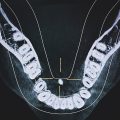
Examination may include checking jaw movement, joint tenderness, muscle tightness, bite function and the way the jaw opens and closes. In some cases, imaging such as ultrasound, MRI or CT may be recommended to look more closely at the joint, surrounding structures or other possible causes.
Treatment for TMJ Disorder
Treatment for TMJ disorder depends on the underlying cause, the severity of symptoms and how much the condition is affecting daily life. Many people begin with conservative measures such as jaw rest, avoiding aggravating habits, exercises, bite splints or support to reduce clenching and muscle tension.
In more persistent or complex cases, specialist TMJ therapy or other targeted treatments may be considered. Surgery is only considered in selected cases, usually when symptoms are significant and non-surgical approaches have not provided enough improvement. For more details on assessment, diagnosis and treatment options, you can visit our dedicated TMJ Disorder Treatment page.
Getting Clearer Answers About Jaw Pain
TMJ disorder can be frustrating because it often sits between different areas of care. Symptoms may feel dental, muscular, neurological or ear-related, and this can make it difficult to know where to turn. A careful specialist assessment can help identify whether the jaw joint, surrounding muscles or another head and neck issue may be contributing to the problem.
If jaw pain, clicking, stiffness or locking is affecting your comfort, eating or day-to-day function, it is worth seeking advice rather than simply waiting for symptoms to escalate. Understanding the cause is the first step towards choosing the right management plan.
Book an Appointment With Head2Neck
If you are concerned about ongoing jaw pain, facial discomfort, jaw clicking or symptoms that may be linked to TMJ disorder, you can contact Head2Neck to arrange an appointment. We can assess your symptoms, explain the likely causes and discuss the most appropriate next steps based on your individual situation.
FAQs
What does TMJ disorder feel like?
TMJ disorder can feel like aching, tightness or pain around the jaw joint, often near the ear. Some people also notice jaw clicking, facial discomfort, headaches, stiffness when opening the mouth or pain when chewing.
Can TMJ disorder cause ear pain?
TMJ disorder can sometimes cause discomfort that feels like ear pain, pressure or fullness, even when there is no obvious ear infection. This happens because the jaw joint sits close to the ear and shares nearby nerves and muscles.
Why does my jaw click when I chew?
Jaw clicking when chewing may happen when the joint, disc or surrounding muscles are not moving smoothly together. Occasional clicking is not always serious, but painful clicking, locking or reduced jaw movement should be assessed.
Can TMJ disorder affect both sides of the face?
TMJ disorder can affect one side or both sides of the face. Some people feel symptoms mainly around one jaw joint, while others experience aching, tightness or headaches across both sides, depending on muscle tension and joint function.
When should I see a specialist for jaw pain?
You should consider specialist assessment if jaw pain persists, affects chewing or speaking, causes locking, or appears alongside headaches, ear symptoms or facial pain. Getting a clear diagnosis helps guide the most appropriate next steps.