
Looking Beyond the Jaw Joint Alone
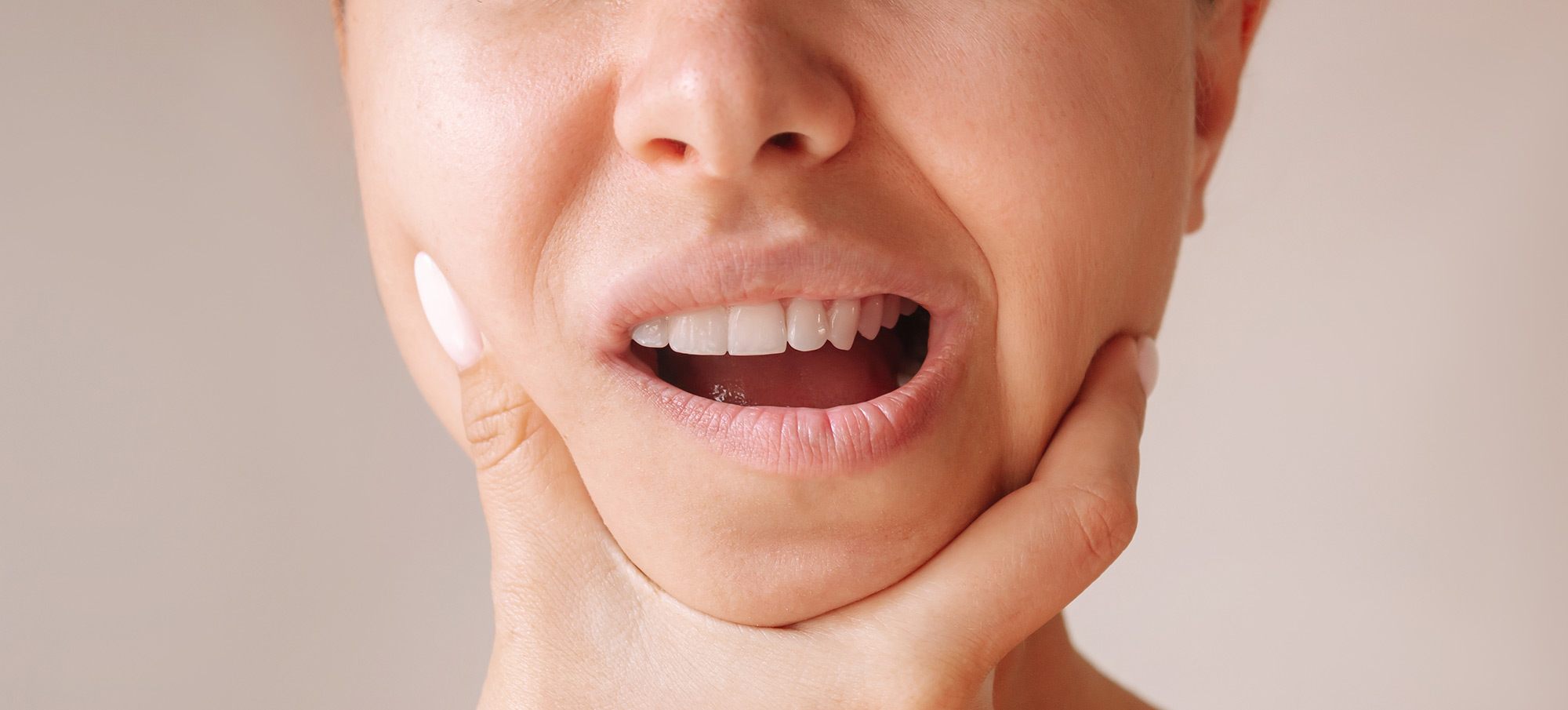
Jaw pain is not always caused by one obvious problem. The temporomandibular joint works closely with the muscles of the face, head and neck, which means pain or stiffness can sometimes develop from a combination of joint strain, muscle tension, clenching habits, bite changes or previous injury.
Identifying what causes TMJ symptoms is not always straightforward, as the jaw joint and surrounding muscles can be affected by repeated stress, inflammation or the way the jaw is being used day to day. This is why understanding the likely trigger is an important part of deciding what kind of support or treatment may be appropriate.
Why TMJ Usually Has More Than One Cause
TMJ disorder is often multifactorial, which means several factors may be contributing at the same time. One person may mainly be affected by teeth grinding, another may have joint inflammation, and another may have jaw tension that worsens during stressful periods or after prolonged dental treatment. Understanding the likely driver helps avoid treating every case of TMJ pain as though it has the same cause.
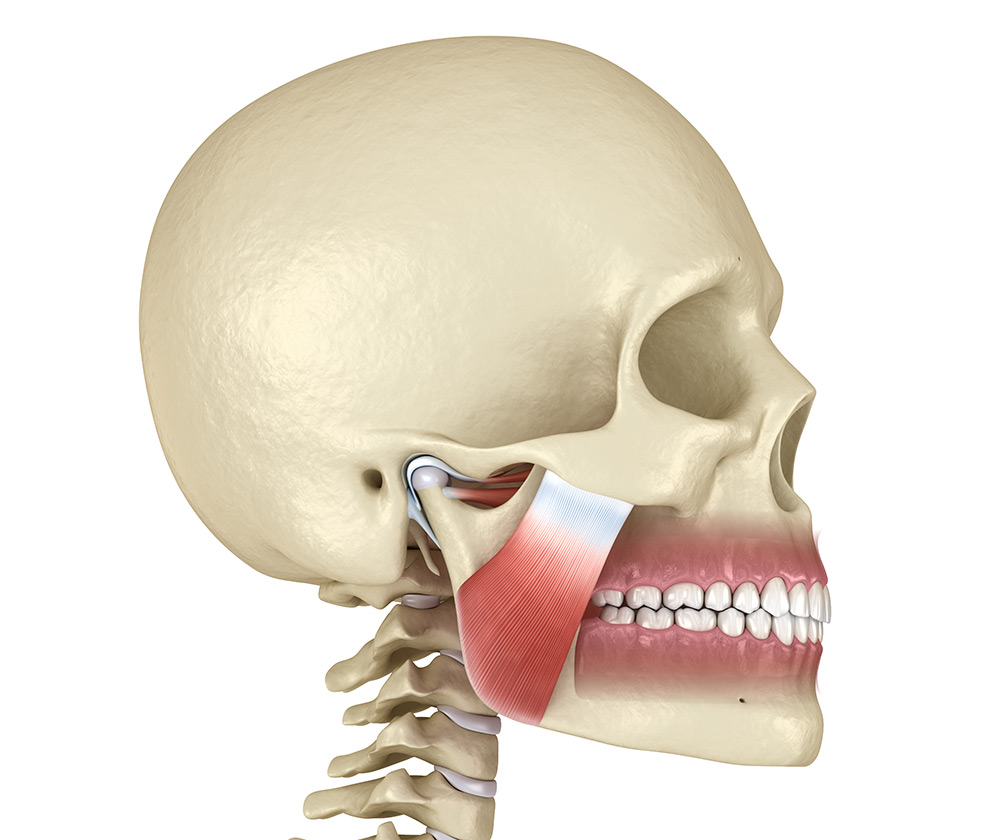
TMJ pain may be linked to several overlapping triggers, including clenching, grinding, stress and joint irritation.
Common Causes of TMJ Pain
Different people develop TMJ pain for different reasons. In some cases, the main issue is muscle overuse. In others, the joint itself may be inflamed, injured or affected by changes in bite, posture or jaw loading.
Jaw Clenching and Teeth Grinding
Jaw clenching and teeth grinding, also known as bruxism, can place repeated pressure on the temporomandibular joint and surrounding muscles. Some people clench during the day while concentrating, driving or working, while others grind their teeth during sleep. Over time, this repeated loading can contribute to jaw tightness, muscle fatigue, headaches around the temples and pain when chewing.
Stress-Related Muscle Tension
Stress does not mean TMJ pain is “all in your head”, but it can increase jaw tension and muscle guarding. During stressful periods, many people hold their jaw tightly, clench without noticing or carry tension through the neck and shoulders. This can make the jaw muscles work harder than they should, especially if clenching habits are also present.
Bite, Dental and Jaw Alignment Factors
Bite changes, missing teeth, dental work or jaw alignment factors may sometimes affect how force passes through the jaw. This does not mean every bite issue causes TMJ disorder, but uneven loading or changes in how the teeth meet can contribute in some cases, particularly when other triggers are already present.
Injury, Arthritis and Joint Inflammation
TMJ pain can also be linked to a previous jaw injury, direct trauma, arthritis or inflammation within the joint. These causes may be more structural, especially when symptoms include stiffness, restricted movement, locking or pain that feels deep within the joint. In these cases, assessment may need to look closely at both joint movement and the condition of the joint itself.
Posture and Neck Tension
The jaw does not work in isolation. Tension through the neck, shoulders and upper back can affect how the muscles around the jaw behave, particularly for people who spend long periods sitting at a desk or looking down at a screen. Poor posture does not automatically cause TMJ, but it can add to muscle strain and make existing jaw tension more noticeable.
Common TMJ Triggers That Can Make Symptoms Flare
TMJ pain can sometimes build gradually, but many people notice that symptoms flare after certain habits, foods or periods of strain. These triggers do not always cause TMJ disorder on their own, but they can worsen symptoms when the joint or muscles are already irritated.
Common TMJ triggers include:
- Chewing gum or very chewy foods
- Clenching during concentration
- Grinding teeth at night
- Long dental appointments or prolonged mouth opening
- Stressful periods
- Poor sleep
- Jaw injury or impact
- Hard foods or biting down heavily
- Prolonged desk work or neck tension
- Nail biting, pen chewing or resting the chin on the hand

Identifying what is driving jaw pain can help guide more appropriate TMJ assessment and treatment planning.
How Specialist Assessment Helps Identify the Cause
A specialist assessment can help identify whether TMJ symptoms are more likely to be driven by muscle tension, clenching, bite factors, joint inflammation, injury or several triggers together. At Head2Neck, assessment may include a discussion of your symptoms, jaw movement, joint tenderness, muscle tightness, clenching or grinding history, dental history and associated head, neck or ear symptoms.
In some cases, imaging may be recommended to assess the joint or surrounding structures in more detail. The aim is to understand what is driving the problem, so treatment can be planned around the likely cause rather than the symptom alone.
Treatment Depends on What Is Driving the TMJ Problem
TMJ disorder treatment depends on the underlying cause and the way symptoms are affecting daily function. A person whose main trigger is clenching or grinding may need a different approach from someone with joint inflammation, injury-related changes or restricted jaw movement.
This is why a clear assessment matters before deciding on treatment. Management may involve reducing strain on the joint, addressing clenching habits, improving jaw support, using splints where appropriate or considering more specialist options if symptoms are persistent or complex.
Why the Cause Matters Before Treatment
TMJ pain can be frustrating because similar symptoms may come from different causes, including muscle overuse, joint irritation, stress-related tension, injury or several overlapping factors. Understanding the likely cause helps guide the next step, so treatment can be shaped around what is actually loading or irritating the jaw rather than treating TMJ as one fixed problem.
Book an Appointment With Head2Neck
If you have recurring jaw pain, clenching, clicking, stiffness or TMJ symptoms that keep flaring, you can contact Head2Neck to arrange an appointment. We can assess your symptoms, look for likely triggers and discuss the most appropriate next steps based on the cause of the problem.
FAQs
Why does TMJ pain come and go?
TMJ pain can come and go because the load on the jaw changes from day to day. Symptoms may flare after clenching, chewing, stress, poor sleep or prolonged mouth opening, then settle when muscle tension or inflammation reduces.
Can teeth grinding cause TMJ?
Teeth grinding can contribute to TMJ symptoms by placing repeated pressure on the jaw joint and surrounding muscles. This is especially relevant when grinding happens regularly during sleep or alongside daytime clenching.
Can stress cause TMJ symptoms?
Stress can contribute to TMJ symptoms by increasing jaw tension, clenching and muscle guarding around the face, neck and shoulders. It is not always the only cause, but it can be an important trigger for flare-ups.
Can TMJ be caused by an injury?
TMJ symptoms can develop after jaw injury, direct impact or trauma that affects the joint or surrounding muscles. Assessment may be needed if pain, stiffness, clicking or restricted movement continues after an injury.
How do I know what is causing my TMJ?
The cause of TMJ symptoms is not always obvious without assessment. A specialist can review jaw movement, muscle tenderness, clenching habits, bite factors, injury history and related head, neck or ear symptoms.