Managing Jaw Pain, Clicking and Limited Jaw Movement
TMJ disorder can affect how comfortably you speak, eat and move your jaw. For some patients, symptoms begin gradually, with occasional clicking or mild discomfort. For others, pain, stiffness, or restricted movement may develop more suddenly, making everyday activities more difficult. As the temporomandibular joint plays a key role in jaw function, problems affecting this area can have a noticeable impact on daily life.
At Head2Neck, we provide consultant-led TMJ disorder treatment, focusing on accurate diagnosis and tailored management. By identifying the underlying cause of temporomandibular joint disorder, we aim to relieve symptoms, improve jaw function and help prevent long-term complications affecting the jaw and surrounding muscles.
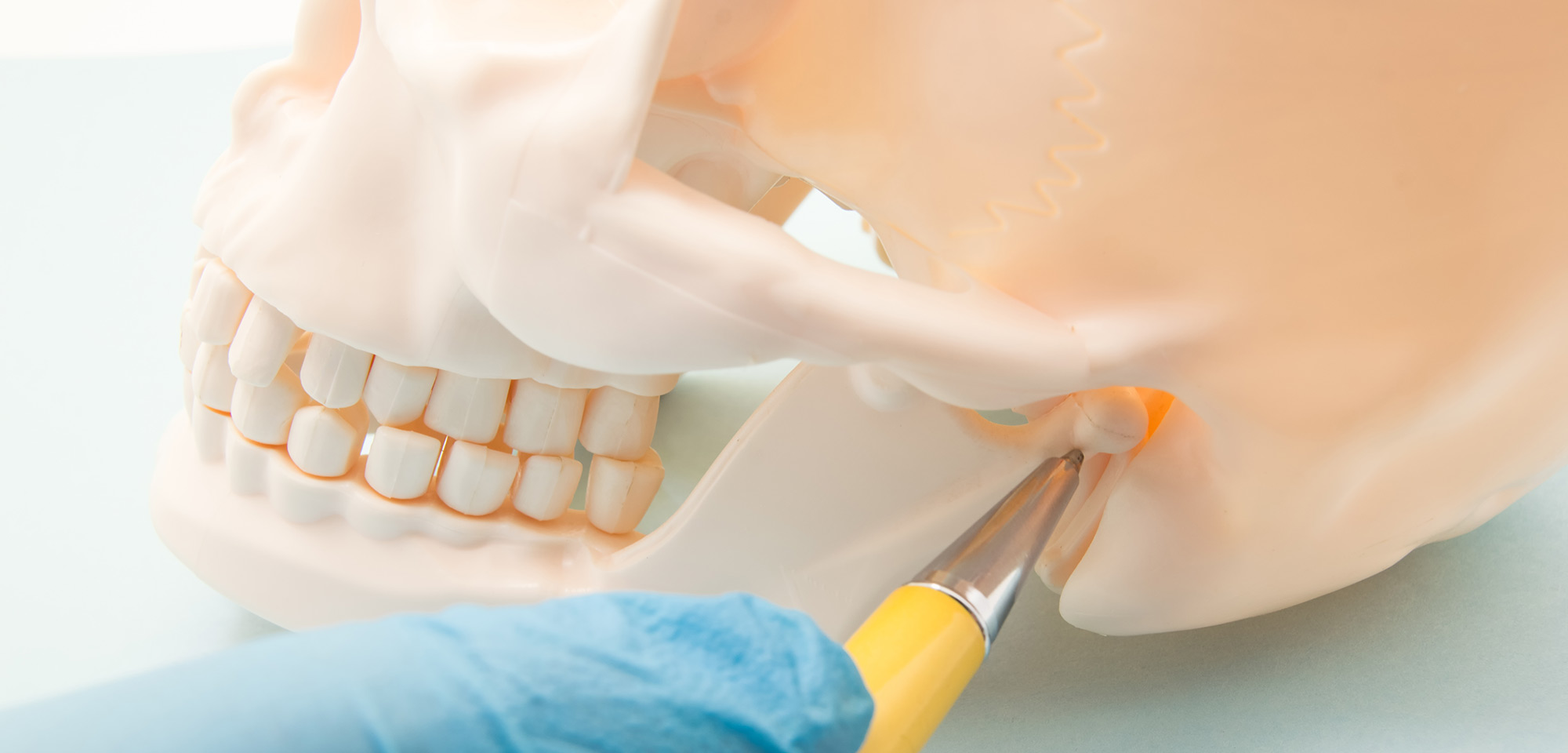
TMJ disorder, also known as temporomandibular joint disorder, refers to problems affecting the jaw joint and surrounding muscles. The temporomandibular joints connect the lower jaw to the skull, allowing movements such as opening, closing and side-to-side motion. These joints play a crucial role in speaking, chewing and facial movement.
When the temporomandibular joint becomes inflamed, strained or misaligned, it can lead to pain, clicking, stiffness and limited movement. TMJ disorder may affect one or both sides of the jaw and can develop gradually or appear suddenly following injury or increased jaw strain. These changes can make everyday activities, such as eating, speaking, or yawning, uncomfortable and, in some cases, restrict normal jaw movement.
Signs and Symptoms of TMJ Disorder
Symptoms of TMJ disorder can vary depending on the severity and underlying cause. Some patients experience occasional discomfort, while others develop persistent pain or difficulty moving the jaw. Symptoms may affect one or both sides of the face and can range from mild irritation to more noticeable functional limitations.
Common signs of TMJ disorder include:
Jaw pain or tenderness, particularly near the ear
Clicking, popping or grinding sounds when opening or closing the mouth
Difficulty opening the mouth fully or limited jaw movement
Facial pain or pressure around the jaw and cheeks
Headaches, particularly around the temples
Ear pain, fullness or ringing without an ear infection
Pain when chewing or speaking
Locking of the jaw in open or closed positions
Causes and Risk Factors for TMJ Disorder
TMJ disorder can develop for numerous reasons, often involving strain on the jaw joint or surrounding muscles. In many cases, symptoms arise from a combination of factors rather than a single cause. Identifying contributing factors is important in determining the most appropriate TMJ disorder treatment.
Common causes and risk factors include:
Teeth grinding or jaw clenching, particularly during sleep
Some mild jaw discomfort may improve with rest and simple self-care measures. However, when symptoms persist or begin to affect daily activities, specialist assessment is recommended. Early evaluation helps identify the cause of TMJ disorder and reduces the risk of long-term joint problems.
You should consider seeking specialist care if:
Jaw pain continues for several weeks
Clicking or popping is associated with pain or limited movement
The jaw locks or becomes difficult to open or close
Headaches or ear discomfort occur alongside jaw pain
Eating, speaking or daily activities become uncomfortable
How TMJ Disorder Is Diagnosed
Accurate diagnosis is essential to determine the most appropriate TMJ disorder treatment. At Head2Neck, patients are assessed by Consultant Head and Neck Surgeon Mr Konstantinos Karavidas, who specialises in conditions affecting the jaw and surrounding structures. A detailed medical history and clinical examination are used to evaluate jaw movement, muscle tenderness and joint function.
In some cases, imaging such as ultrasound, MRI, or CT scans may be recommended to assess the temporomandibular joint in greater detail. These investigations help identify inflammation, joint damage, or structural abnormalities contributing to TMJ disorder symptoms.
You can also learn more about what to expect during your visit by reviewing our Patient Information page, which provides helpful guidance before your appointment.
Treatment Options for TMJ Disorder
Treatment for TMJ disorder depends on the severity of symptoms and the underlying cause. At Head2Neck, management is tailored to each patient and may include:
Conservative Management
Many cases of TMJ disorder respond well to non-surgical approaches. These may include lifestyle modifications, jaw exercises, pain management and techniques to reduce muscle tension. Conservative care aims to relieve symptoms and improve jaw function without invasive treatment.
Bite Splints and Jaw Support
Custom-made bite splints may be recommended to reduce teeth grinding and jaw clenching. These devices help relax the jaw muscles, protect the joint and improve alignment during sleep.
Specialist TMJ Therapy
Targeted therapy may be used to reduce inflammation, improve joint movement and relieve muscle tension. This approach may include physiotherapy, guided exercises or other specialist treatments depending on the patient’s needs.
Surgical Treatment for TMJ Disorder
Surgery is typically considered only when conservative treatments are not effective. Surgical options may include minimally invasive procedures to examine and treat the joint, or in some rare cases, more advanced corrective surgery. At Head2Neck, surgical approaches are carefully planned to restore function while minimising recovery time.
Why Choose Head2Neck for Your TMJ Disorder Treatment?
Choosing the right specialist is important when managing TMJ disorder, particularly where symptoms are persistent or affecting daily function. At Head2Neck, patients are assessed by an experienced consultant surgeon, ensuring accurate diagnosis and a treatment plan tailored to the underlying cause. Our approach focuses on both symptom relief and long-term jaw health.
Patients benefit from:
Consultant-led care from a specialist in head and neck conditions
Thorough assessment of jaw joint function and underlying causes
Access to advanced imaging and diagnostic techniques
Personalised TMJ disorder treatment plans
Expertise in both conservative and surgical management
Convenient clinic locations across London, Essex, Hertfordshire and Bedfordshire
A patient-focused approach with clear communication and ongoing support
If you are experiencing persistent jaw pain, clicking or restricted movement, early assessment can help identify the cause and guide appropriate treatment. You can contact Head2Neck to arrange a consultation and discuss your symptoms with our specialist team.
What Our Patients Say
I’ve been seeing Mr Karavidas since Feb 25 and have had several consultations and 2 surgical procedures at Cobham Clinic. He is extremely thorough and makes sure you understand every step of what’s happening with any diagnosis and procedure. Fantastic service.
A.B.08/06/2025
Clear explanations, very reassuring throughout consultations and proceedure. Mr Karavidas made me feel at ease, his professionalism immediately evident. Highly recommended.
N.A. 10/03/2025
I was beyond impressed by Mr Karavidas. He took the time to listen to all my concerns, reassured me & gave the very best advice. He was friendly and put me at complete ease. I was very well taken care of and cannot thank him enough. I highly recommend!
V.G. 19/02/2025
Two lower wisdom teeth removal. Couldn’t fault the service. Excellent and extremely responsible after care from Mr Karavidas.
J.L. 02/12/2024
My experience with Dr Karavidas and his team was exceptional. I felt extremely cared for and informed throughout and could not have asked for more. To top it off we had a fully successful outcome after an oral procedure which means I can eat again! Thank you so much.
S.J. 21/10/2024
I’ve been seeing Mr Karavidas since Feb 25 and have had several consultations and 2 surgical procedures at Cobham Clinic. He is extremely thorough and makes sure you understand every step of what’s happening with any diagnosis and procedure. Fantastic service.
A.B.08/06/2025
Clear explanations, very reassuring throughout consultations and proceedure. Mr Karavidas made me feel at ease, his professionalism immediately evident. Highly recommended.
N.A. 10/03/2025
I was beyond impressed by Mr Karavidas. He took the time to listen to all my concerns, reassured me & gave the very best advice. He was friendly and put me at complete ease. I was very well taken care of and cannot thank him enough. I highly recommend!
V.G. 19/02/2025
Two lower wisdom teeth removal. Couldn’t fault the service. Excellent and extremely responsible after care from Mr Karavidas.
J.L. 02/12/2024
My experience with Dr Karavidas and his team was exceptional. I felt extremely cared for and informed throughout and could not have asked for more. To top it off we had a fully successful outcome after an oral procedure which means I can eat again! Thank you so much.
S.J. 21/10/2024
Frequently Asked Questions
Can TMJ disorder go away on its own?
Some mild cases of TMJ disorder may improve with rest, stress reduction and simple self-care measures. However, if symptoms persist, worsen, or begin to affect daily activities, specialist assessment is recommended to prevent long-term joint problems.
Can TMJ disorder cause headaches or ear pain?
TMJ disorder can sometimes cause headaches, particularly around the temples, as well as ear pain, pressure or ringing. This occurs because the temporomandibular joint and surrounding muscles are closely connected to nearby nerves and structures in the head and neck.
What triggers TMJ disorder symptoms?
TMJ disorder symptoms can be triggered by teeth grinding, jaw clenching, stress, poor posture or excessive chewing. In some cases, symptoms may also develop following injury or inflammation affecting the temporomandibular joint.
Is TMJ disorder permanent?
TMJ disorder is not always permanent. Many patients experience improvement with appropriate treatment and management. Early assessment and tailored care can help reduce symptoms and improve long-term jaw function.
Who treats TMJ disorder?
TMJ disorder is often treated by specialists in head and neck conditions who can assess both the jaw joint and surrounding structures. A consultant-led approach helps ensure accurate diagnosis and appropriate treatment planning.