
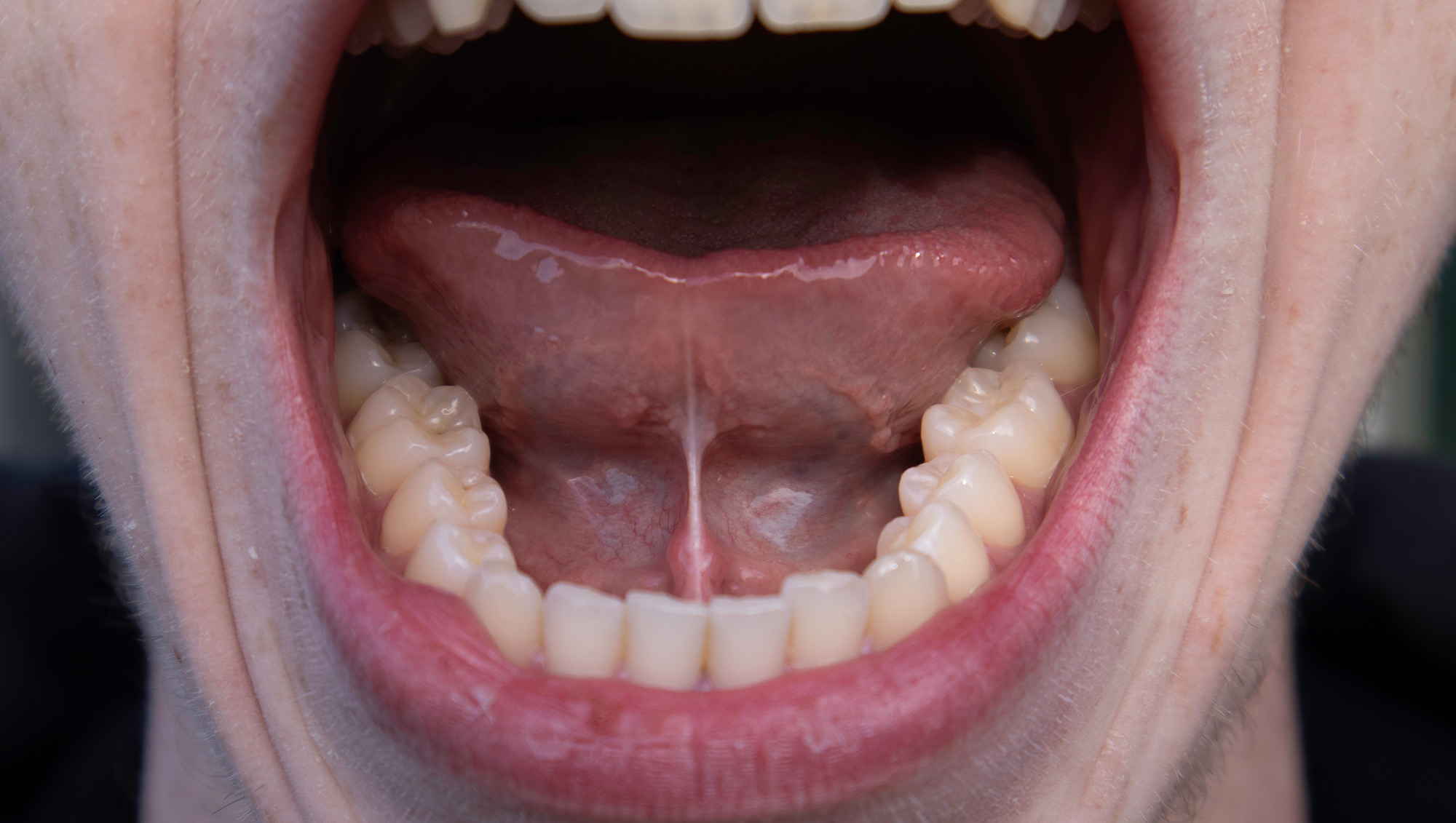

A Restriction You May Have Lived With for Years
Tongue tie is often discussed in relation to babies and feeding, but it can also affect adults. Some people reach adulthood with restricted tongue movement without realising there is a specific reason for it. They may simply adapt how they speak, eat or move their tongue, assuming this is normal for them.
Tongue tie in adults can be subtle, but it may still affect everyday function. It can influence speech effort, eating habits, oral hygiene, tongue comfort and, in some cases, tension around the mouth or jaw. The key issue is not only whether a tongue tie is visible, but whether the restriction is affecting movement in a meaningful way.
Why Adult Tongue Tie Can Be Difficult to Recognise
Adult tongue tie can be overlooked because the symptoms are often long-standing. If someone has always found certain tongue movements difficult, they may not consider it a problem. Instead, they may avoid certain movements, compensate during speech or assume that their tongue simply does not move as freely as other people’s.
This is also why appearance alone does not tell the whole story. A tight lingual frenulum may be easy to see in some adults, while in others, the restriction is less obvious. What matters clinically is how the tongue moves and whether that restriction is affecting speech, eating, oral hygiene or comfort.
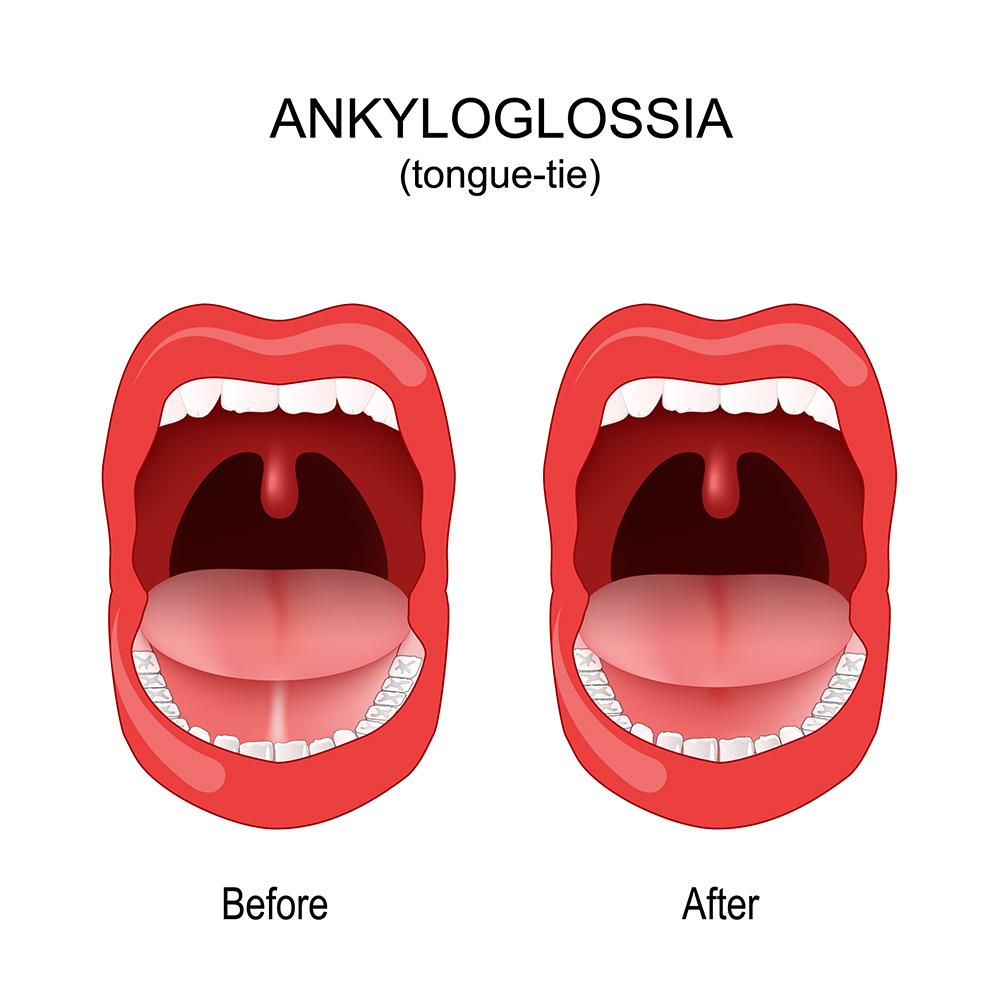
Tongue tie in adults may affect everyday tongue movement, including speaking, eating and clearing food from the mouth.
The Tongue Movements Adults Often Notice First
Adults with restricted tongue movement may notice difficulty lifting the tongue to the roof of the mouth, extending it forward or moving it freely from side to side. Some people find it hard to touch the upper teeth, clear food from around the mouth, or lick the lips comfortably.
These limitations can become more noticeable during everyday activities. Speaking for long periods, eating certain foods, maintaining oral hygiene or using the tongue for precise movements may feel more effortful than expected. For some adults, the issue becomes clearer only after a dentist, speech professional, or clinician points out the limited movement.
Symptoms That May Suggest Tongue Tie in Adults
Tongue tie symptoms in adults can vary depending on how restricted the tongue is and how much the person has adapted over time. Some symptoms are directly related to tongue movement, while others may come from the extra effort used to compensate.
Symptoms that may suggest adult tongue tie include:
- A tight or pulling feeling under the tongue
- Difficulty lifting the tongue to the roof of the mouth
- Difficulty extending the tongue beyond the lower teeth or lips
- Speech that feels effortful, especially with certain sounds
- Tongue fatigue after long conversations
- Difficulty moving food around the mouth
- Trouble clearing food from the teeth or gums
- Oral hygiene challenges linked to limited tongue movement
- Tongue soreness, tension or discomfort
- Mouth, jaw or neck tension that may be related to compensation
- Difficulty licking the lips or using the tongue freely
How Restricted Tongue Movement Can Affect Speech and Eating
Speech issues in adults with tongue tie may not always be obvious to other people. However, the person may feel that certain sounds take more effort, or that speaking for long periods leads to tongue fatigue or tension. This can be particularly noticeable in roles that involve frequent speaking.
Eating can also be affected if the tongue cannot move food comfortably around the mouth. Some adults may find certain textures awkward, struggle to clear food from their teeth or need to compensate by changing how they chew or swallow. These changes may seem minor, but they can become frustrating when they affect daily comfort or confidence in normal oral function.

Specialist assessment can help determine whether tongue tie in adults is affecting speech, eating or oral hygiene.
When It Is Worth Arranging an Assessment
Assessment is worth considering if restricted tongue movement is affecting speech, eating, oral hygiene, tongue comfort or day-to-day function. It may also be helpful if another professional has noticed limited tongue mobility or if symptoms have become more noticeable over time.
Adult tongue tie should be assessed based on function rather than appearance alone. A visible frenulum does not automatically mean treatment is needed, but persistent restriction that affects everyday activity should be reviewed properly.
What Specialist Assessment Looks For
A specialist assessment looks at tongue movement, the appearance and tightness of the lingual frenulum, oral function and the symptoms you are experiencing. This may include how well the tongue lifts, extends and moves from side to side, as well as whether restriction appears to affect eating, speaking or oral hygiene.
Assessment also helps identify whether other factors may be contributing. Jaw tension, speech effort, swallowing patterns and oral discomfort can have more than one cause, so the aim is to understand whether tongue tie is clinically significant and whether treatment is likely to be appropriate.
When Tongue Tie Surgery May Be Recommended
Tongue tie surgery may be recommended when a tight frenulum is restricting tongue movement and contributing to functional problems, such as speech effort, tongue fatigue, difficulty moving food around the mouth, oral hygiene challenges or discomfort linked to limited tongue mobility. At Head2Neck, a tongue tie release is discussed after specialist assessment, with the decision based on the severity of the restriction, the symptoms involved and the likely benefit of treatment.
Getting Clearer Answers About Tongue Restriction
Adults may live with restricted tongue movement for years without realising it can be assessed. For some, it remains a minor difference that does not need treatment. For others, it may affect speech effort, eating, oral hygiene or comfort enough to warrant specialist review.
A clear assessment can help you understand whether tongue tie is part of the problem and whether treatment may be appropriate. The goal is not to treat appearance alone, but to identify whether restricted tongue movement is genuinely affecting function.
Book an Appointment With Head2Neck
If you are concerned about tongue tie in adults, restricted tongue movement, speech effort, eating difficulties or oral hygiene problems, you can contact Head2Neck to arrange an appointment. We can assess your symptoms, explain the likely cause and discuss whether treatment may be appropriate.
FAQs
Can adults have tongue tie?
Yes, adults can have tongue tie if a restricted lingual frenulum has been present since birth and was not treated earlier. Some adults only recognise it later when they notice difficulty with tongue movement, speech effort, eating or oral function.
Can tongue tie in adults affect speech?
Tongue tie in adults may affect speech if restricted tongue movement makes certain sounds harder to form. This does not always cause an obvious speech problem, but some people notice extra effort, fatigue or tension when speaking for longer periods.
Can adult tongue tie cause jaw or neck tension?
Tongue tie may contribute to tension around the mouth, jaw or neck in some adults, particularly if they compensate for limited tongue movement. However, these symptoms can have several causes, so assessment is needed before linking them directly to tongue tie.
Does adult tongue tie always need treatment?
No, adult tongue tie does not always need treatment. Treatment is usually considered when restricted tongue movement is causing functional problems with speech, eating, oral hygiene or comfort.
How is tongue tie in adults diagnosed?
Tongue tie in adults is assessed by looking at tongue movement, frenulum restriction and how symptoms affect daily function. A specialist assessment considers both appearance and function, rather than relying on how the frenulum looks alone.