

Understanding When Wisdom Teeth Become a Problem
Wisdom teeth do not always cause trouble. Some come through normally, sit comfortably at the back of the mouth and can be cleaned like any other molar. Problems tend to develop when there is not enough space for them to erupt properly, or when they only partly come through the gum and create an area that is difficult to keep clean.
So, when do wisdom teeth need to be removed? In this blog, we explain the signs that may suggest wisdom teeth are causing problems, why symptoms can come and go, and when it may be sensible to arrange an assessment before pain, swelling, or infection becomes more disruptive.
Why Wisdom Teeth Can Cause Problems
Wisdom teeth are the last adult molars to appear, usually developing at the very back of the mouth. By the time they try to erupt, there may not be enough room for them to come through in a healthy position. This can lead to impacted wisdom teeth, where the tooth is trapped fully or partly beneath the gum, or partially erupted wisdom teeth, where only part of the tooth breaks through.
This position can make cleaning difficult. Food and bacteria may collect around the gum, and the wisdom tooth can place pressure on neighbouring teeth or surrounding tissue. In some cases, this may lead to wisdom tooth pain, gum inflammation, infection, decay, jaw discomfort or damage to the tooth in front.
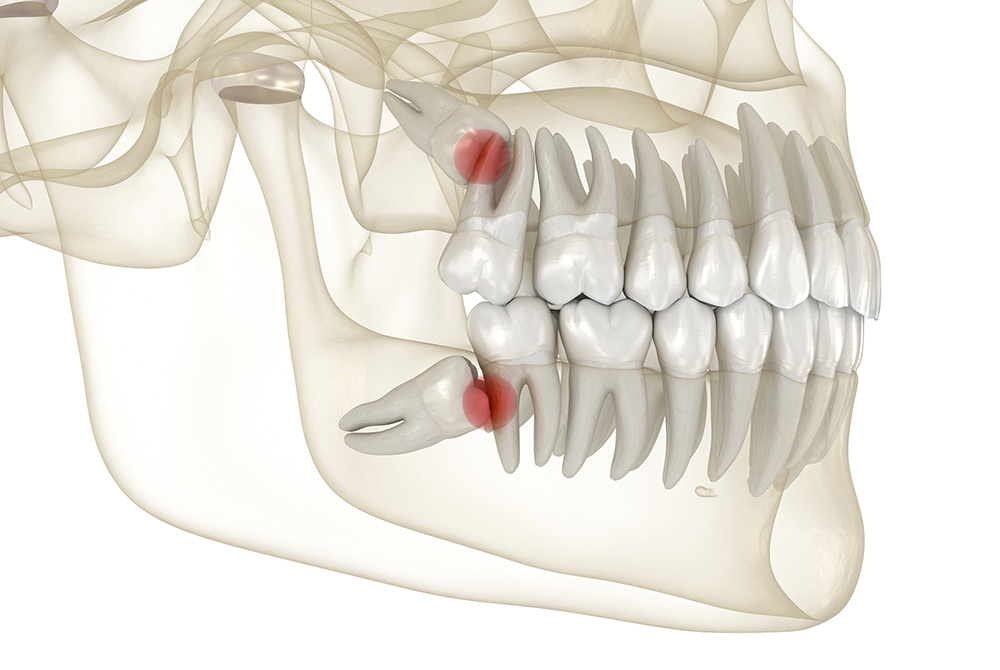
Wisdom tooth pain, swelling or repeated infection may suggest that your wisdom teeth need specialist assessment.
Signs Your Wisdom Teeth May Need Attention
Wisdom teeth symptoms can range from mild irritation to pain that affects eating, jaw movement and day-to-day comfort. Symptoms may also come and go, which can make them easy to dismiss until the same problem keeps returning.
Signs that may suggest your wisdom teeth need assessment include:
- Pain at the back of the mouth
- Swollen, red or irritated gums
- Repeated gum infection around a partially erupted tooth
- Jaw pain or facial swelling
- Difficulty opening the mouth fully
- Bad taste or bad breath from the back of the mouth
- Food trapping around the wisdom tooth
- Pain when chewing
- Pressure against nearby teeth
- Tooth decay or gum problems around the wisdom tooth area
- Headaches or discomfort that seems to come from the jaw or back teeth
What Pain, Swelling or Infection May Suggest
Pain around a wisdom tooth may suggest that the gum, tooth or surrounding tissues are irritated. When a wisdom tooth only partly comes through, a small flap of gum can remain over part of the tooth. This area can trap food debris and bacteria, which may lead to inflammation or infection around the tooth.
Swelling, bad taste, unpleasant breath or difficulty opening the mouth can be signs that an infection is present. These symptoms should not be ignored if they keep returning, as repeated infections can become painful and may affect eating, speaking and normal jaw movement.
When Impacted Wisdom Teeth May Need Removal
Impacted wisdom teeth do not always need to be removed, but they may become a problem if their position causes symptoms or increases the risk of damage to nearby structures. A wisdom tooth that is angled against the tooth in front, difficult to clean or repeatedly infected may need closer assessment.
Removal may be recommended if impacted wisdom teeth are causing pain, swelling, infection, decay, gum problems or pressure against neighbouring teeth. Imaging may also show issues that are not obvious from symptoms alone, such as damage to adjacent teeth, cyst formation or other changes around the impacted tooth.
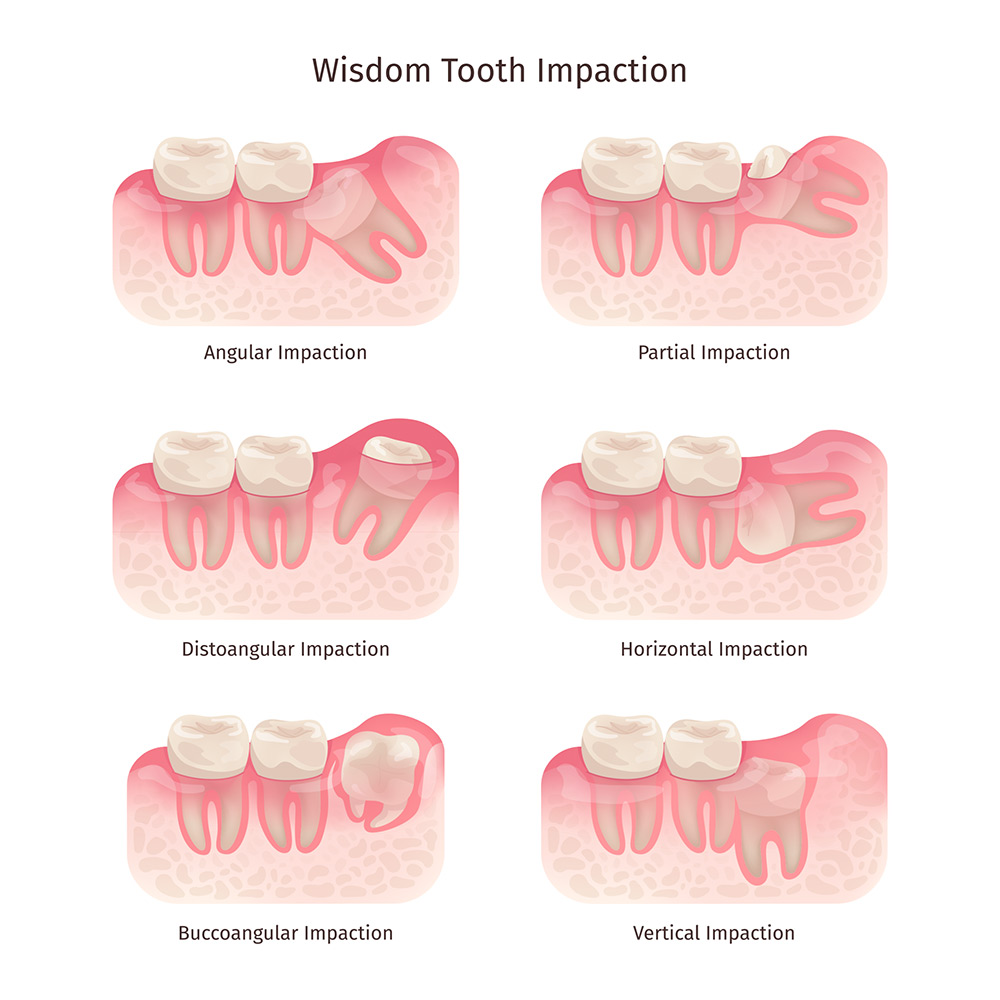
Impacted wisdom teeth may cause pain, infection or pressure against nearby teeth when there is not enough room for them to erupt properly.
Do All Wisdom Teeth Need to Be Removed?
Not every wisdom tooth needs treatment. If a wisdom tooth has erupted fully, is healthy, is not causing pain and can be cleaned properly, it may simply be monitored during routine dental care. Removal is usually considered when the tooth is causing symptoms or is likely to create ongoing problems.
This is why assessment matters. The decision depends on the position of the tooth, whether it is fully or partly erupted, whether infection or decay is present, and whether the wisdom tooth is affecting nearby teeth or the surrounding gum. The aim is not to remove wisdom teeth unnecessarily, but to identify when they are likely to cause persistent or repeated issues.
When to Seek Specialist Advice
You should consider arranging an assessment if wisdom tooth pain persists, keeps returning or is associated with swelling, bad taste, gum infection or difficulty opening your mouth. Pain at the back of the mouth that affects eating or chewing is also worth reviewing, especially if it does not settle or repeatedly flares.
Specialist advice may also be helpful if your dentist has identified impacted wisdom teeth, if imaging shows the tooth is close to important structures, or if previous infections have needed antibiotics. Early assessment can help clarify whether monitoring, treatment or wisdom teeth removal is the most appropriate next step.
How Wisdom Teeth Are Assessed
Wisdom teeth assessment usually starts with a discussion about your symptoms, how often they occur and whether they are affecting eating, jaw movement or daily comfort. The mouth and gums are then examined to check whether the tooth has erupted, whether the area is inflamed and whether there are signs of infection or decay.
Imaging, such as dental X-rays, may be recommended to assess the position of the wisdom tooth and its relationship to nearby teeth, bone and nerves. This helps determine whether the tooth can be monitored safely or whether removal may be more appropriate.
Treatment Options for Problem Wisdom Teeth
Treatment depends on what is causing the symptoms. In some cases, short-term management may focus on infection control, cleaning advice or monitoring the tooth if the problem is mild and unlikely to recur.
However, if wisdom teeth are repeatedly infected, painful, impacted or damaging surrounding teeth, removal may be recommended. At Head2Neck, wisdom teeth removal is planned around the individual tooth, symptoms and imaging findings.
Getting Advice Before Wisdom Teeth Problems Worsen
Wisdom tooth problems can be frustrating because symptoms often settle temporarily, then return. A short episode of discomfort may not always mean removal is needed, but repeated pain, swelling or infection is a sign that the tooth should be properly assessed.
Understanding the cause of the symptoms can make the next step clearer. Whether the right approach is monitoring, managing infection or removing the tooth, assessment helps avoid guesswork and supports safer, more appropriate treatment planning.
Book an Appointment With Head2Neck
If you are experiencing wisdom tooth pain, swelling, repeated infection or symptoms around the back of the mouth, you can contact Head2Neck to arrange an appointment. We can assess your symptoms, review the position of your wisdom teeth and explain whether removal may be appropriate.
FAQs
Can wisdom teeth cause headaches?
Wisdom teeth may contribute to headaches if they are causing jaw tension, inflammation or discomfort around the back of the mouth. However, headaches can have many causes, so persistent or severe symptoms should be assessed properly.
Can wisdom teeth come through without pain?
Wisdom teeth can come through without pain if there is enough space and they erupt in a healthy position. Even when they are not painful, they should still be checked during routine dental care to make sure they are cleanable and not affecting nearby teeth.
Why does wisdom tooth pain come and go?
Wisdom tooth pain may come and go when inflammation around the gum flares and settles. This can happen around a partially erupted tooth where food and bacteria are more easily trapped, especially if the area is difficult to clean.
Can wisdom teeth cause bad breath?
Wisdom teeth can contribute to bad breath if food debris and bacteria become trapped around a partially erupted tooth. Bad taste, gum soreness or swelling around the same area may suggest that the tooth needs assessment.
Is wisdom tooth swelling always an infection?
Wisdom tooth swelling is not always caused by infection, but it can be a warning sign. Swelling may relate to gum irritation, inflammation, trapped debris or infection, so it is worth arranging an assessment if it persists or returns.