
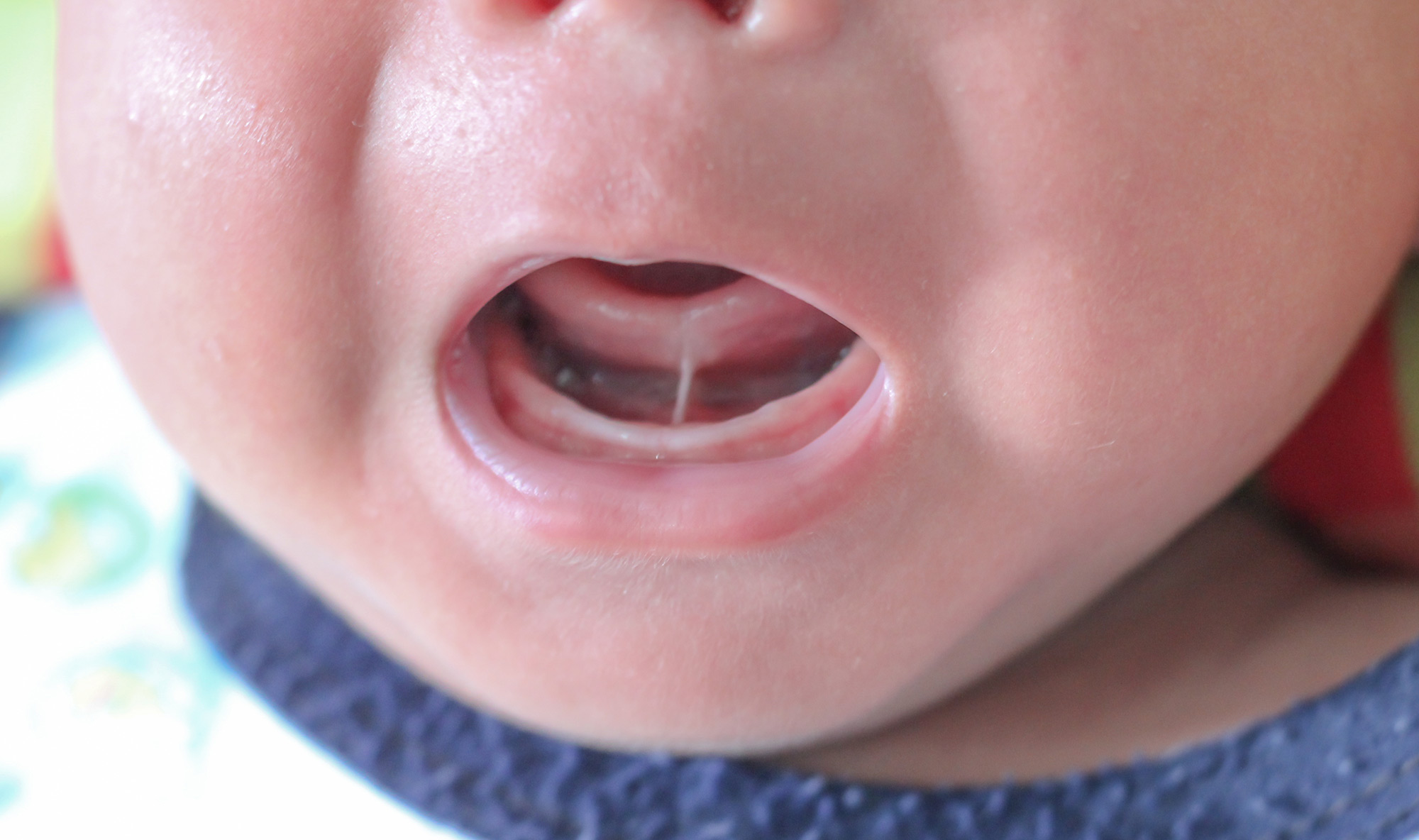

When Restricted Tongue Movement Affects Feeding
Feeding difficulties can be worrying for parents, especially when a baby seems unsettled, struggles to latch or becomes tired before finishing a feed. There can be many reasons why feeding feels difficult, and tongue tie in babies is only one possible explanation. The key question is not simply whether a frenulum is visible under the tongue, but whether it is restricting movement enough to affect feeding.
Some babies with tongue tie feed well and do not need treatment. Others may struggle with latch, milk transfer, feeding stamina or maternal pain during breastfeeding. In this blog, we explain the signs that may suggest restricted tongue movement is affecting feeding, when assessment should be arranged and when tongue tie surgery may be considered.
What Tongue Tie in Babies Means
Tongue tie, also known as ankyloglossia, occurs when the band of tissue under the tongue is shorter, thicker or tighter than usual. This band is called the lingual frenulum. When it restricts movement, the tongue may not lift, extend or move freely enough during feeding.
This matters because a baby’s tongue plays an important role in creating a seal, maintaining suction and moving milk effectively. When tongue movement is restricted, feeding may become more tiring, less efficient or uncomfortable, particularly if the baby is also struggling to maintain a stable latch.

Tongue tie in babies may affect feeding, latch and milk transfer when tongue movement is restricted.
Signs Your Baby May Have Restricted Tongue Movement
Tongue tie symptoms in babies are not always obvious from appearance alone. Some babies have a visible tongue tie but feed without difficulty, while others have a more subtle restriction that becomes noticeable during feeding. This is why symptoms, feeding function and tongue movement all need to be considered together.
Signs that may suggest restricted tongue movement include:
- Difficulty latching or staying latched
- Clicking sounds during feeding
- Milk leaking from the mouth
- Long or tiring feeds
- Falling asleep before finishing feeds
- Fussing, pulling away or becoming unsettled during feeds
- Slow weight gain or concerns about milk transfer
- Difficulty lifting or extending the tongue
- A heart-shaped tongue tip when crying
How Feeding Difficulties Can Show Up
Tongue tie can affect breastfeeding and bottle feeding in slightly different ways. During breastfeeding, parents may notice a shallow latch, prolonged feeds or a baby who seems to feed often but remains unsettled. Mothers may also experience nipple pain, nipple damage or feeds that remain uncomfortable despite changes to positioning and latch support.
Bottle-fed babies may have different signs. These can include dribbling from the sides of the mouth, clicking, gulping, difficulty maintaining a seal on the teat or tiring quickly during feeds. These symptoms do not automatically mean surgery is needed, but they can suggest that feeding function should be assessed more closely.
Signs That Assessment Should Not Be Delayed
A short period of feeding difficulty may improve with appropriate support, especially in the early days after birth. However, assessment should not be delayed if symptoms are persistent, affecting weight gain or making feeds consistently stressful for the baby or parent.
Assessment should be arranged if there are concerns such as:
- Ongoing feeding difficulty despite feeding support
- Poor or slow weight gain
- Persistent nipple pain or damage during breastfeeding
- Repeatedly prolonged or exhausting feeds
- A baby tiring before completing feeds
- Concerns that milk transfer is not effective
- Restricted tongue movement noticed by a midwife, health visitor, GP or feeding specialist
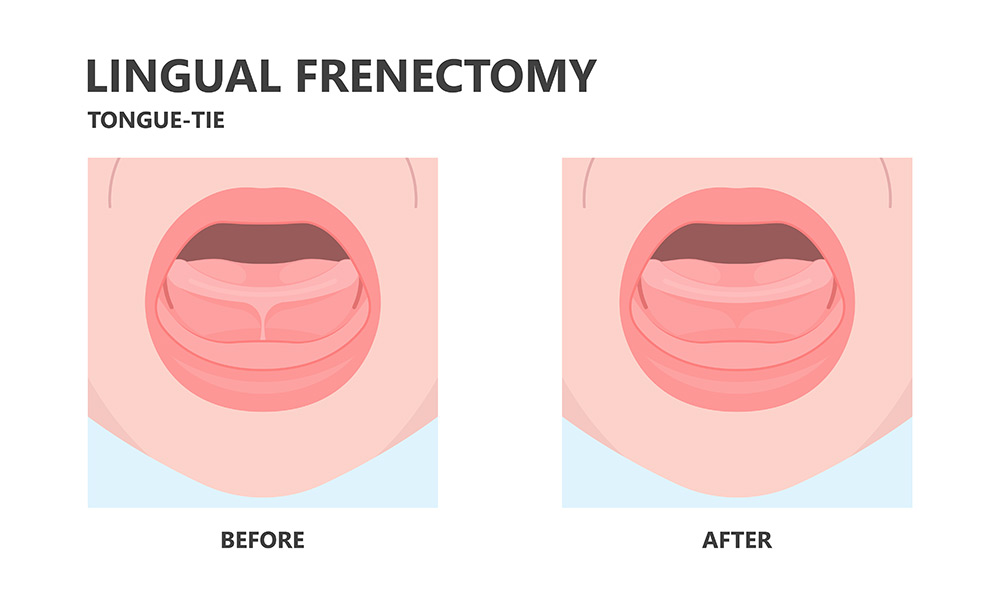
Some babies with tongue tie feed well, while others may struggle with latch, feeding stamina or efficient milk transfer.
What Specialist Assessment Looks At
A specialist assessment should look at more than the appearance of the frenulum. At Head2Neck, assessment focuses on tongue movement, feeding history, latch or bottle-feeding pattern, weight gain and whether the restriction appears to be affecting function. If the baby is breastfed, maternal symptoms such as nipple pain or damage may also be relevant.
This approach helps avoid both over-treatment and under-treatment. A visible tongue tie does not automatically mean a baby needs surgery, but persistent feeding problems should not be dismissed if restricted tongue movement may be contributing. The aim is to understand whether the tongue tie is clinically significant and whether treatment is likely to help.
When Tongue Tie Surgery May Be Considered
Tongue tie surgery may be considered when restricted tongue movement appears to be contributing to ongoing feeding difficulties. This may include poor latch, inefficient milk transfer, prolonged feeds, slow weight gain or persistent maternal pain during breastfeeding, particularly when appropriate feeding support has not resolved the problem.
The decision should be based on the baby’s symptoms, feeding function and clinical assessment. Tongue tie treatment is not about treating appearance alone. It is considered when there is a clear functional concern, and when releasing the restriction may improve tongue movement and feeding.
Treatment for Tongue Tie in Babies
Treatment for tongue tie in babies may include feeding support, lactation support or tongue tie release, where clinically appropriate. In infants, tongue tie surgery usually involves carefully releasing the tight frenulum to improve tongue movement. Babies may often feed soon afterwards, although individual advice depends on the baby’s age, symptoms and assessment findings.
Getting the Right Advice for Your Baby
Feeding difficulties can feel stressful, particularly when parents are trying to understand whether the issue is latch, milk transfer, tongue movement or another feeding factor. A careful assessment can help clarify whether tongue tie is part of the problem and whether treatment is appropriate.
If your baby is struggling to feed, gaining weight slowly or showing signs of restricted tongue movement, it is worth seeking advice rather than waiting for the problem to become more difficult. Clear assessment helps families make informed decisions based on function, symptoms and the individual needs of the baby.
Book an Appointment With Head2Neck
If you are concerned about tongue tie in babies, restricted tongue movement or ongoing feeding difficulties, you can contact Head2Neck to arrange an appointment. We can assess your baby’s symptoms, explain whether tongue tie may be contributing and discuss whether treatment may be appropriate.
FAQs
Does every baby with tongue tie need surgery?
No. Some babies with tongue tie feed well and do not need treatment. Surgery is usually considered when restricted tongue movement is contributing to ongoing feeding difficulties or maternal discomfort during feeding.
Can tongue tie affect speech later on?
Tongue tie may affect speech in some children, particularly if tongue movement remains significantly restricted. However, not all children with tongue tie develop speech problems, which is why assessment should consider function rather than appearance alone.
What does tongue tie look like in babies?
Tongue tie may appear as a tight or short band of tissue under the tongue. Some babies may also have a tongue that looks heart-shaped when crying or difficulty lifting the tongue fully, although appearance alone does not confirm whether treatment is needed.
Can tongue tie affect bottle feeding as well as breastfeeding?
Yes. Tongue tie can sometimes affect bottle feeding by making it harder for babies to maintain a seal, control milk flow or feed efficiently. Symptoms may include dribbling, clicking or tiring during feeds.
At what age can tongue tie surgery be performed?
Tongue tie surgery can often be performed in infancy when feeding difficulties are linked to restricted tongue movement. The timing depends on the baby’s symptoms, feeding pattern and clinical assessment.