
Why Salivary Gland Stones Often Hurt During Meals
Salivary gland stone symptoms can be easy to miss at first, especially when swelling or discomfort comes and goes. Some people notice a lump or pressure under the jaw, while others feel pain near the cheek, inside the mouth or under the tongue. One of the clearest clues is that symptoms often become more noticeable around meals.
This happens because eating stimulates saliva production. If a salivary duct is partly or fully blocked by a stone, saliva may struggle to drain into the mouth as it should. Pressure can then build inside the gland, causing swelling, tenderness or pain that may ease again once saliva production settles.
Why Salivary Gland Stones Cause Symptoms
Salivary glands produce saliva, which travels through small ducts into the mouth. A salivary gland stone, also known as sialolithiasis, forms when hardened mineral deposits develop inside one of these ducts. If the stone blocks saliva flow, the gland can become swollen, uncomfortable or inflamed.
Symptoms may not be constant because the blockage is often most noticeable when the gland is trying to work harder. This is why some people feel relatively comfortable between meals, then develop pressure, pain or swelling as soon as they start eating or drinking.
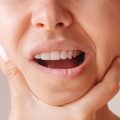
Salivary gland stones often cause swelling or pain that becomes more noticeable during meals.
The Mealtime Pattern: Pain, Pressure and Swelling
A classic pattern with salivary gland stones is swelling that appears or worsens just before or during meals. The gland may feel tight, tender or enlarged, particularly under the jaw or around the cheek. In some cases, the swelling gradually reduces after eating, only to return at the next meal.
This cycle can be frustrating because symptoms may seem to settle without fully resolving. Repeated mealtime swelling is a sign that saliva may not be draining normally, especially if it happens in the same area each time. Even if the discomfort is mild at first, recurrent symptoms are worth assessing before infection or more persistent obstruction develops.
Common Salivary Gland Stone Symptoms
The symptoms of a salivary gland stone depend on where the stone is, how much it is blocking the duct and whether infection has developed. Some stones cause only mild intermittent swelling, while others can lead to more significant pain, tenderness or difficulty eating.
Common salivary gland stone symptoms include:
- Swelling under the jaw, in the cheek or inside the mouth
- Pain or pressure that worsens when eating or drinking
- Tenderness around the affected salivary gland
- Dry mouth or reduced saliva flow
- A visible or noticeable lump under the tongue or inside the mouth
- Repeated swelling that settles and returns
- Bad taste in the mouth
- Pus discharge from the duct opening
- Difficulty opening the mouth fully
- Discomfort when swallowing
- Recurrent salivary gland infection
What Causes Salivary Gland Stones?
Salivary gland stones form when mineral salts crystallise inside the ducts that carry saliva into the mouth. This may be more likely when saliva is thicker, saliva flow is reduced, or drainage through the duct is slowed. Stones are often seen in the submandibular glands beneath the jaw, where saliva is naturally thicker and travels through relatively long ducts.
Factors that may contribute to salivary gland stones include:
- Reduced saliva flow
- Dehydration
- Thicker or more concentrated saliva
- Blocked or narrowed salivary ducts
- Mineral deposits forming inside the duct
- Certain medications that reduce saliva production
- Reduced oral hygiene
- Previous head and neck surgery affecting salivary ducts
- Age-related changes or reduced immunity

Persistent salivary gland swelling or infection may need specialist assessment and treatment.
When Symptoms May Suggest Infection or Persistent Blockage
A blocked salivary duct can sometimes lead to inflammation or infection, particularly if saliva is trapped behind the stone. Symptoms such as increasing pain, worsening tenderness, bad taste, pus discharge, fever or swelling that does not settle may suggest that the blockage is becoming more than a simple intermittent problem.
Persistent obstruction can also affect normal gland function over time. If the same gland repeatedly swells, becomes painful or feels blocked during meals, it is worth arranging an assessment rather than repeatedly waiting for the symptoms to settle. This is especially important if swallowing, mouth opening, or daily eating becomes uncomfortable.
When to Seek Specialist Assessment
Specialist assessment is sensible if swelling or pain keeps returning, symptoms are linked to eating, infection is suspected, or you can feel a lump under the tongue or inside the mouth. Assessment is also important if symptoms are becoming more frequent, more painful or harder to manage.
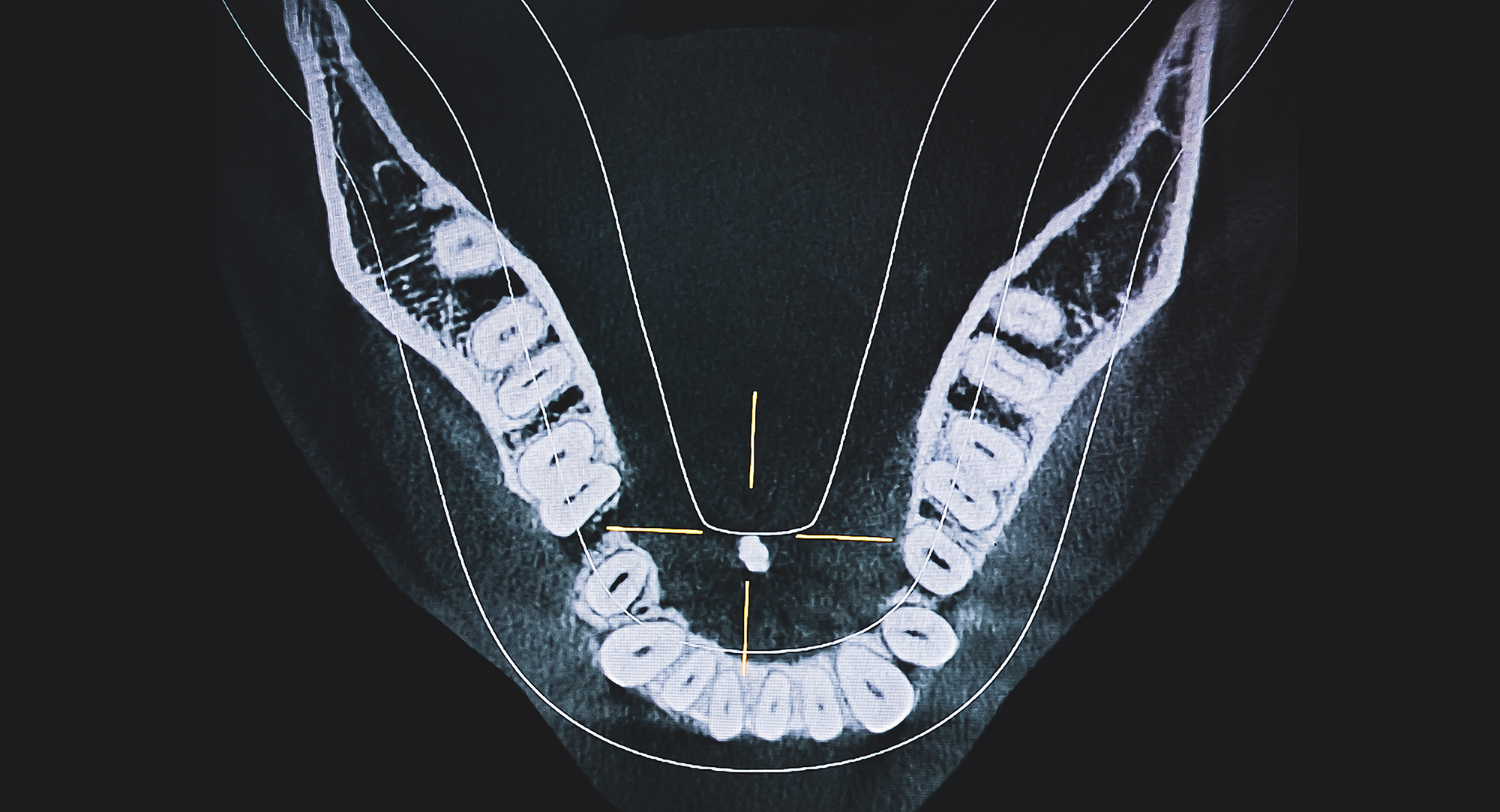
At Head2Neck, assessment may include a discussion of your symptoms, examination of the mouth and salivary glands, and imaging such as ultrasound, MRI or CT where needed. The aim is to confirm whether a stone, duct blockage, infection or another salivary gland condition is causing the symptoms.
Treatment for Salivary Gland Stones
Salivary gland stone treatment depends on the size and position of the stone, how much it is blocking saliva flow and whether infection is present. Small stones may sometimes pass with hydration, gland massage, warm compresses and saliva stimulation, but stones that remain trapped inside the duct may need specialist removal.
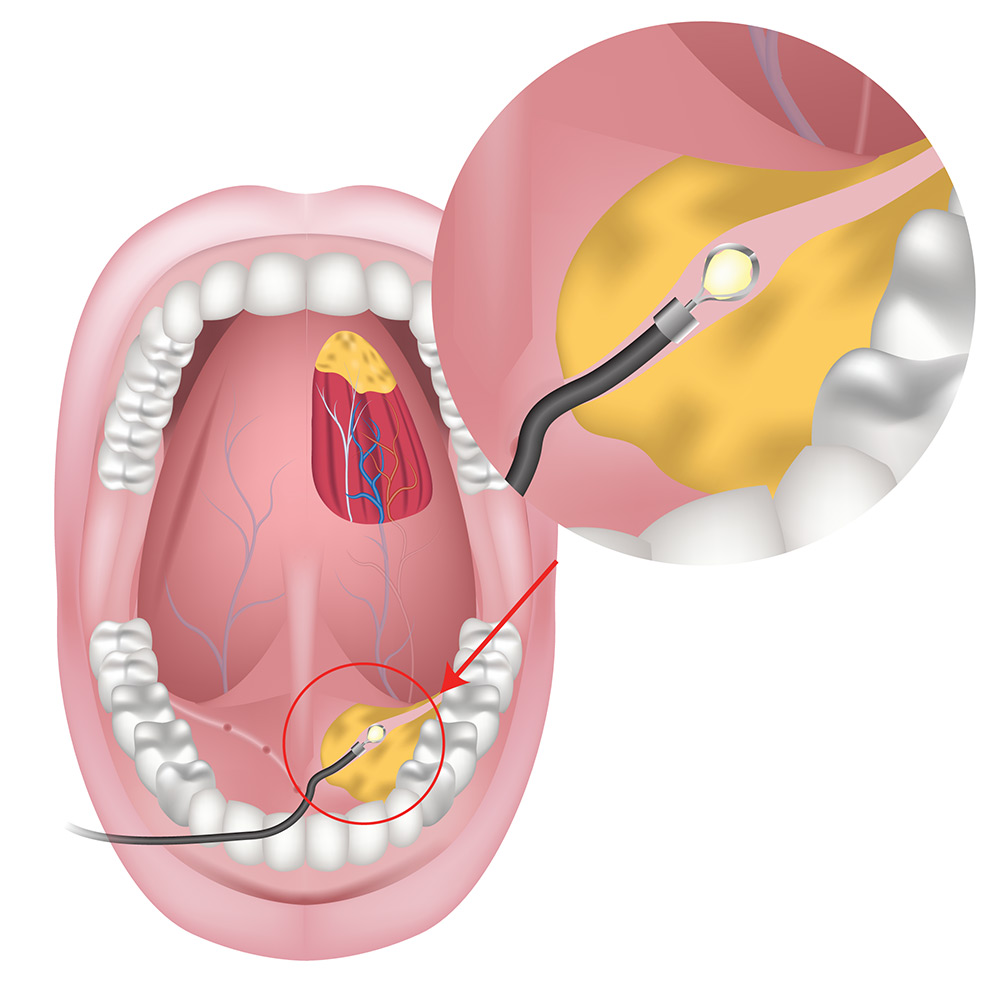
At Head2Neck, this may involve sialendoscopy, a minimally invasive technique that uses a small endoscope to examine the salivary duct from inside the mouth and, where appropriate, remove the stone while preserving the gland.
Don’t Ignore Swelling That Comes and Goes
Salivary gland symptoms can be confusing because they often come and go. A swelling that appears during meals and settles afterwards may seem minor at first, but a repeated pattern can be an important clue that saliva is not draining properly.
If you have recurring pain, swelling, bad taste, dry mouth or symptoms that flare when eating, assessment can help identify the cause. The right diagnosis makes it easier to decide whether the problem can be monitored, managed conservatively or treated with a more targeted approach.
Book an Appointment With Head2Neck
If you are experiencing salivary gland stone symptoms, swelling when eating, pain under the jaw, recurrent infection or a suspected blocked salivary gland, you can contact Head2Neck to arrange an appointment. We can assess your symptoms, explain the likely cause and discuss the most appropriate next steps.
FAQs
Why do salivary gland stones hurt more when eating?
Salivary gland stones often become more painful during meals because eating stimulates saliva production. If the duct is blocked, saliva can build up behind the stone, causing pressure, swelling and discomfort.
Can salivary gland stones go away on their own?
Small salivary gland stones may sometimes pass naturally with hydration, saliva stimulation and gland massage. However, larger or persistent stones may continue blocking the duct and require specialist treatment.
What does a salivary gland stone feel like?
A salivary gland stone may feel like swelling, pressure or tenderness under the jaw, inside the mouth or near the cheek. Some people also notice a lump, dry mouth or pain that worsens when eating.
Can salivary gland stones cause infection?
Yes. If saliva becomes trapped behind a blockage, the gland can become inflamed or infected. Symptoms such as worsening swelling, pus discharge, fever or bad taste may suggest infection is present.
How are salivary gland stones diagnosed?
Salivary gland stones are usually diagnosed through examination and imaging such as ultrasound, CT or MRI scans. Assessment helps confirm the location of the stone and whether the duct is blocked.